Fire and Flood Restoration in SYLMAR, California
24/7 fire and water damage restoration in SYLMAR, California
Fire and Flood Restoration in SYLMAR, California means one crew handles both the charred framing and the thousands of gallons the hoses left behind. We board up, extract, dry, deodorize, and rebuild. Whether a kitchen grease fire soaked your cabinets or a burst supply line met a smoke-damaged attic, our IICRC-trained technicians arrive with thermal imaging cameras and air movers to stop mold before it starts. Call (833) 929-6186.
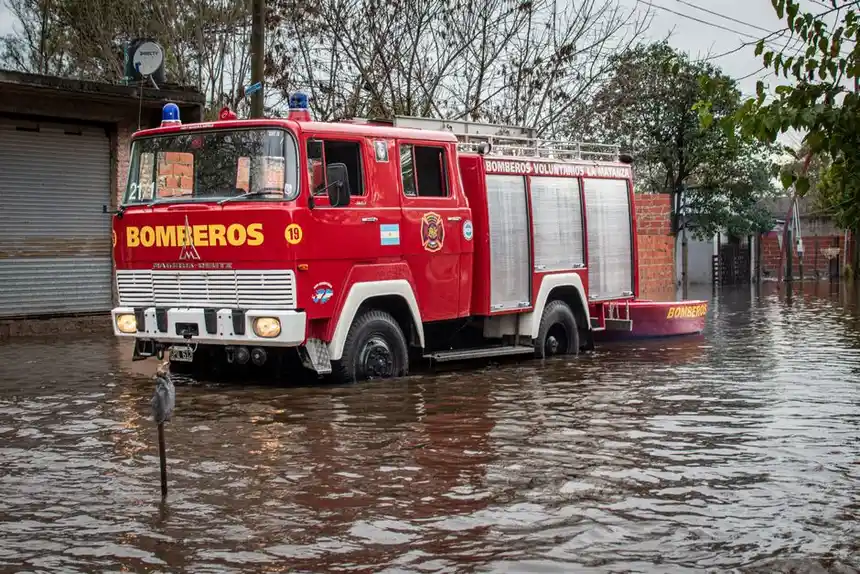
What Fire and Flood Restoration in SYLMAR, California Covers
Fire and Flood Restoration in SYLMAR, California is the combined cleanup, drying, and rebuilding process that follows a fire where water damage is also present, usually from firefighting hoses or a burst pipe the heat weakened. It starts with board-up and structural assessment, moves through water extraction and soot removal, and ends with drywall, insulation, and paint restored to code. One crew handles both problems because they are physically connected: the same wall cavity that soaked up hose water is the one holding smoke odor.
Most SYLMAR homes we see fall into three groups: 1950s ranch houses near the foothills with original galvanized plumbing, apartment units where a neighbor's kitchen fire pushed smoke through shared HVAC, and hillside properties where a roof fire was followed by water pouring into the attic. If you are searching for fire and flood restoration near me SYLMAR, the honest answer is that the water has to come out before the smoke can be sealed in, and that order matters. We run moisture meters before we touch a single charred stud.
Why SYLMAR Homeowners Call Us First
A fire is a one-hour event. The water and smoke that follow run for weeks if nobody stops them. These four outcomes are what our fire and water cleanup company SYLMAR CA is built to deliver.
Mold Stopped in 48 Hours
Mold can colonize wet drywall within 48 to 72 hours of a fire being extinguished. We set up HEPA air scrubbers and Dri-Eaz dehumidifiers the same day we extract, then log moisture readings daily until every cavity reads dry. That timeline is the difference between a cleanup and a demolition.
Smoke Odor Gone, Not Masked
Charcoal odor absorbers and plug-in sprays do not reach smoke that has soaked into insulation and ductwork. We use thermal foggers and ozone generators in sealed rooms, then verify with a follow-up walkthrough. Lingering smoke odor in walls and HVAC is the number one reason a family cannot move back in.
Insurance Paperwork Handled
We photograph every affected surface, write moisture and soot readings into a scope your adjuster can read, and talk to the carrier directly. Our fire and flood restoration company SYLMAR CA with insurance help means you are not translating between a contractor and an adjuster while living in a hotel.
One Crew, One Schedule
Splitting the water mitigation from the fire rebuild means two contracts, two timelines, and a gap where nothing happens. We carry the job from emergency board-up through structural repair after fire, so your drywall, paint and primer, and roofing shingles all land on the same calendar.
How Our Fire and Flood Restoration Process Works
Every job follows the same five stages, whether it is a single bedroom or a four-unit apartment building. Here is what you experience, day by day.
Emergency Board-Up
We arrive, secure broken windows and doors with plywood and plastic sheeting, and tarp any roof opening. This usually happens within the first two hours. You get a written scope and a photo record of the property as we found it, which your insurer will ask for.
Water Extraction
Truck-mounted extractors pull standing water from flooring, then air movers and dehumidifiers go to work on the cavities. We map wet zones with a moisture meter and thermal imaging camera so we are drying the actual problem, not guessing. Most extraction days run four to eight hours.
Soot and Smoke Removal
Soot residue gets removed from surfaces with dry ice blasting or soda blasting on delicate framing, and hand cleaning on finished walls. We pull charred drywall and insulation, bag it, and haul it out. Kitchen grease fire residue is the stickiest job and gets its own degreasing pass.
Deodorization and Drying
Sealed rooms run thermal foggers and ozone generators to break down smoke molecules in walls and ductwork. HEPA air scrubbers and negative air machines keep the rest of the house clean while drying finishes. We verify moisture readings before we call this stage done.
Rebuild and Final Walkthrough
New drywall, insulation, lumber, paint and primer, and roofing shingles go back in to California Building Standards Code (Title 24). We walk the finished rooms with you, test every repaired circuit, and hand over the documentation package for your insurer.
Trained to the Standards Your Insurer Recognizes
Our technicians hold IICRC credentials in fire and smoke restoration, odor control, and water restoration, which means the scope we write follows the same standards your adjuster uses. We work to NFPA 921 fire investigation standards when documenting origin and spread, and we hold EPA Lead-Safe Certification for the older housing stock common in SYLMAR. Every crew member carries OSHA 10-Hour Construction Safety training, and our work is performed under a California Contractors State License Board (CSLB) license. We are a new company, founded in 2026, and we built the crew around these certifications from day one rather than adding them later.
- IICRC Fire and Smoke Restoration Technician (FSRT) on every fire job
- IICRC Water Restoration Technician (WRT) for the flood side of the same loss
- IICRC Odor Control Technician (OCT) for smoke that reaches walls and HVAC
- EPA Lead-Safe Certification for pre-1978 homes and apartments
- OSHA 10-Hour Construction Safety training for every field technician
Why Our Fire and Flood Restoration in SYLMAR Stands Apart
Plenty of companies will take your call. Fewer will extract the water, remove the soot, dry the structure, and rebuild it under one scope. That single-crew approach is the reason families call us back.
Same-Day Response, 24/7
We answer the phone at 2 a.m. because fires do not wait for business hours. Our 24/7 fire and water damage restoration SYLMAR CA line dispatches a crew with extraction and board-up equipment already loaded, so the first hour is spent working, not gathering gear.
Certified, Not Just Licensed
A state license lets us build. IICRC certification means we know how to dry a wall cavity to a measurable standard and how to verify smoke odor is gone rather than covered. We document both with readings you can hand to your adjuster.
Direct Insurance Billing
We photograph, measure, and write the scope in the format carriers expect, then communicate with your adjuster throughout. If you need a fire and water cleanup company SYLMAR CA that speaks insurance, we handle that conversation so you can focus on your family.
Local to the San Fernando Valley
We work SYLMAR, Pacoima, San Fernando, Arleta, and the surrounding foothill neighborhoods every week. We know which streets flood when the hoses run, which housing stock hides galvanized pipe, and which hillside roofs need tarping before the next wind event.
What Fire and Flood Restoration Includes
The core scope covers emergency board-up, water extraction, structural drying, soot and smoke removal, deodorization, and the rebuild back to code. Contents cleaning, furniture restoration, and temporary housing coordination are add-ons we scope separately when you need them. Here is what the standard job covers.
What's Included
Emergency Board-Up and Tarping
We secure broken windows and doors with plywood and plastic sheeting, and tarp roof openings so rain and intruders cannot add a second loss. This happens in the first visit, usually within two hours of your call.
Water Extraction and Structural Drying
Truck-mounted extractors remove standing water, then air movers and Dri-Eaz dehumidifiers dry cavities. We log moisture meter readings daily and keep drying until the structure reads dry, not until it looks dry.
Soot, Char, and Smoke Residue Removal
We remove charred drywall, insulation, and lumber, then clean soot from remaining surfaces with dry ice blasting or soda blasting on delicate framing. Kitchen grease fire residue gets a separate degreasing pass.
Deodorization and Air Quality
Thermal foggers and ozone generators treat sealed rooms, while HEPA air scrubbers and negative air machines keep the rest of the house clean. We verify smoke odor is gone with a walkthrough before we close the job.
Rebuild to California Code
New drywall, insulation, lumber, paint and primer, and roofing shingles go back in to California Building Standards Code (Title 24). We test repaired circuits and walk the finished rooms with you.
Insurance Documentation
We photograph every affected surface, record moisture and soot readings, and write the scope in the format carriers expect. We communicate with your adjuster throughout so the claim does not stall.
Problems We Solve After a Fire and Flood Loss
The fire is the visible problem. The water, smoke, and mold that follow are the ones that keep families out of their homes. These are the issues we see most often in SYLMAR and how we handle them.
Smoke odor lingering in walls and HVAC
Plug-in sprays and charcoal odor absorbers do not reach smoke that has soaked into insulation and ductwork. Families move back in, smell smoke for months, and end up replacing ductwork anyway.
We seal rooms and run thermal foggers and ozone generators, then scrub the air with HEPA air scrubbers. We verify with a walkthrough before closing the job, so you know the odor is gone rather than covered.
Water damage from firefighting efforts
Hoses leave hundreds of gallons in flooring and wall cavities. Within 48 to 72 hours, mold can start growing behind baseboards and under subfloor, turning a cleanup into a demolition.
We extract standing water the same day, map wet zones with a moisture meter and thermal imaging camera, and run air movers and dehumidifiers until readings confirm the structure is dry.
Mold growth after fire and water damage
Mold behind drywall is invisible until it smells or shows at a seam. By then, remediation costs more than drying would have, and some families have to move out again.
We dry to measurable standards and recheck cavities before closing walls. Where mold is already present, we remove affected material, treat the framing, and document the remediation for your insurer.
Board-up and security after fire
An open roof or broken window invites rain, trespassers, and a second insurance claim. Adjusters ask why the property was not secured, and that question can complicate the payout.
We board up with plywood and plastic sheeting and tarp roof openings in the first visit. We photograph the property as found, which gives your insurer a clean record of the loss.
When to Call for Fire and Flood Restoration
A kitchen grease fire that the fire department put out, leaving water across the floor and smoke in the cabinets.
We extract the water, degrease the cabinets and hood, run air movers and dehumidifiers on the subfloor, and deodorize the kitchen with a thermal fogger. Soot removal happens after extraction so we are not cleaning wet residue.
The kitchen is dry, the grease residue is gone, and the smoke odor does not return when the cabinets warm up.
An attic fire where hoses poured water down through the insulation into a bedroom ceiling.
We remove the wet insulation, dry the attic decking, replace charred lumber and roofing shingles, and repair the bedroom ceiling drywall. Drying runs before the rebuild so we are not sealing moisture into the ceiling.
The attic and bedroom are dry and rebuilt to code, and the ceiling does not sag or stain weeks later.
An electrical fire in one unit of a multi-unit building, with smoke pushed into neighboring apartments through shared HVAC.
We confirm the circuit is dead, document wiring damage, contain smoke with negative air machines and plastic sheeting, and dry any water from suppression. Each unit gets its own moisture readings and its own documentation.
Neighboring tenants are not displaced longer than necessary, and each unit's claim is documented separately.
A hillside home where a roof fire was followed by water running into the walls during the next rain.
We tarp the roof opening, extract water from the walls, dry the cavities, and replace damaged drywall and insulation. Roofing shingles and flashing go back in before the next storm.
The roof is closed, the walls are dry, and the home is not facing a second loss from the next rain event.
Tools and Methods We Use
Tools & Equipment
Thermal Imaging Camera
Finds wet zones behind walls and ceilings that a moisture meter alone would miss, so we dry the actual problem instead of guessing.
Moisture Meter
Records daily readings in drywall, lumber, and subfloor so we can prove the structure is dry before closing walls.
Dri-Eaz Dehumidifiers and Air Movers
Pull moisture out of the air and move it across wet surfaces. We size the count to the cubic footage of the affected area.
HEPA Air Scrubbers and Negative Air Machines
Keep soot and mold spores from spreading to unaffected rooms while we work, and protect the rest of the house during demolition.
Thermal Fogger and Ozone Generator
Reach smoke molecules lodged in insulation, framing, and ductwork. Both run in sealed rooms and are verified with a follow-up walkthrough.
Dry Ice Blaster and Soda Blaster
Remove soot and char from delicate framing and surfaces without the abrasion of sanding or grinding.
Methods
IICRC S500 and S700 Standards
We follow the IICRC water restoration and fire and smoke restoration standards for drying goals and soot removal. That gives your adjuster a recognized benchmark for the scope we write.
NFPA 921 Documentation
We document origin and spread consistent with NFPA 921 fire investigation standards, which supports both the insurance claim and any later questions about cause.
Containment with Plastic Sheeting
We seal doorways and HVAC openings with plastic sheeting and duct tape before demolition, so soot and mold spores stay in the work zone and out of your living space.
Title 24 Rebuild Compliance
Structural repair after fire follows California Building Standards Code (Title 24), including insulation and roofing requirements. We build to the code your inspector will check.
How Fire and Flood Restoration Runs in SYLMAR
SYLMAR sits at the north edge of the San Fernando Valley, where the foothills meet the flats, and that geography shapes the losses we see. Hillside homes near Olive View and Kagel Canyon often face roof and attic fires followed by water running down through the walls, while the older ranch houses on the flats hide galvanized plumbing that fails when heat stresses it. Apartment buildings along the main corridors share HVAC, so a single kitchen fire pushes smoke into units that never saw flame. We plan for that by containing smoke with negative air machines before we start extraction. The dry, windy season from late fall through winter is when roof fires and wind-driven spread are most common, and the same winds can drive rain into a tarped roof if the tarp is not secured properly. If you are looking for professional fire and flood restoration SYLMAR homeowners trust, the practical answer is a crew that knows the difference between a foothill attic job and a flats subfloor job. We also work to California Building Standards Code (Title 24) on every rebuild, which matters in a city where inspectors know the housing stock. For fire and flood cleanup and drying in SYLMAR, California, we sequence water removal first, soot second, and rebuild last.
Service Areas
Hillside properties near the Olive View area often combine roof fires with water intrusion down through wall cavities. We tarp and dry before rebuild.
Canyon homes have limited access for large trucks, so we plan equipment staging before dispatch and often run smaller extraction units first.
Wind-driven fire spread is a real concern here, and the same winds can drive rain into a tarped roof if it is not secured properly.
Older ranch homes in the El Cariso area often have original plumbing and insulation that holds smoke odor longer than modern materials.
Elevated properties near Hubbard Summit see more roof and attic fire losses, which means water from suppression often reaches bedroom ceilings.
Local Considerations
Seasonal Santa Ana winds from late fall through winter
Wind-driven fire spread is faster, and the same winds can damage a tarped roof. We secure tarps with weighted edges and check them on follow-up visits.
1950s and 1960s housing stock with original plumbing
Heat from a fire stresses older galvanized pipe, so a fire loss often becomes a water loss too. We check supply lines during the initial assessment.
Shared HVAC in multi-unit apartment buildings
Smoke travels between units that never saw flame. We contain with negative air machines and document each unit separately for insurance.
Foothill terrain with limited truck access
Canyon and hillside streets can restrict large equipment. We stage smaller extraction units first and bring in dehumidifiers once access is confirmed.
Kitchen Grease Fire with Subfloor Water
A grease fire was extinguished quickly, but hoses left standing water across the kitchen and dining room. Soot coated the cabinets, and the subfloor read wet under a moisture meter.
We extracted the water, dried the subfloor over four days, degreased the cabinets, and ran a thermal fogger. The kitchen passed a final moisture check and the smoke odor did not return.
Maintenance & Follow-up
Keep a fire extinguisher rated for grease within reach of the stove, and check under-sink supply lines annually for corrosion.
An attic fire charred framing and hoses sent water down through insulation into a bedroom ceiling. The ceiling sagged, and smoke odor had reached the HVAC.
We removed wet insulation, dried the decking, replaced charred lumber and roofing shingles, repaired the ceiling drywall, and treated the HVAC. Moisture readings confirmed dry before the rebuild.
Maintenance & Follow-up
Have the attic wiring inspected after any electrical work, and check insulation for dampness after heavy rain.
An electrical fire in one unit pushed smoke into three neighboring apartments through shared HVAC. Suppression water reached the shared hallway flooring.
We contained smoke with negative air machines, dried the hallway, documented each unit separately, and rebuilt the damaged wall. All four units passed moisture checks within five days.
Maintenance & Follow-up
Replace aging outlets and have the panel inspected, and keep HVAC filters changed to reduce smoke migration between units.
What Fire and Flood Restoration Costs
Typical 2026 pricing in SYLMAR runs $3,500 to $18,000 for a residential fire and flood restoration job, with most single-room losses landing between $5,000 and $9,000. The range is wide because the water side and the fire side scale differently: a small kitchen fire with limited hose water costs far less than an attic fire that soaked three rooms. We write a scope before work begins so you and your adjuster see the same numbers. Our fire and flood restoration services in SYLMAR, California are priced to the actual damage, not a flat package.
Pricing Factors
Square footage affected
More rooms mean more extraction, more drying equipment, and more drywall and paint. A single bedroom sits near the low end; a multi-room loss with hallway water lands higher.
Water volume and category
Clean supply-line water is cheaper to dry than water that has picked up soot and debris. Category 2 or 3 water requires more removal and more documentation.
Soot and smoke spread
Smoke that reaches HVAC and upper cabinets adds deodorization time and equipment. A contained kitchen fire costs less than one that pushed smoke through the whole house.
Structural damage extent
Charred framing, damaged sheathing, and compromised roofing shingles add rebuild cost. We document what must be replaced versus what can be cleaned and sealed.
Contents and furniture
Fire-damaged furniture restoration and contents cleaning are scoped separately. Items beyond saving are documented for the contents portion of your claim.
Insurance coverage and deductible
Your policy and deductible affect what you pay out of pocket. We write the scope in the format carriers expect and communicate with your adjuster to keep the claim moving.
Investment Range
$3,500 - $18,000 depending on scope
Based on project scope
Value You Get
The price reflects drying to a measurable standard, verifying smoke odor is gone, and rebuilding to California code. Doing it once, correctly, costs less than drying twice or tearing out mold six months later.
How much does fire and flood restoration cost in SYLMAR, California?
Most residential fire and flood restoration jobs in SYLMAR run $3,500 to $18,000 in 2026, with the wide range driven by square footage, how much water the hoses left, and whether cabinets or framing need replacement. A single bedroom with limited water intrusion sits near the low end; a kitchen fire with attic water damage lands near the top. We provide a written scope before work begins so your insurer and you see the same numbers.
Can fire and water damage be restored in SYLMAR CA, or does it need demolition?
Most fire and water damage can be restored rather than demolished, provided the water is extracted and the structure dried within 48 to 72 hours. Charred framing is replaced, but sound lumber, drywall, and cabinetry often survive after soot removal and sealing. We use moisture meters and thermal imaging cameras to decide what stays and what goes, and we document the reasoning for your adjuster.
Who does fire and flood restoration near me in SYLMAR?
Our crew covers SYLMAR and the surrounding San Fernando Valley neighborhoods, including Pacoima, San Fernando, Arleta, Mission Hills, and Granada Hills. We handle both the water mitigation and the fire rebuild under one scope, so you are not coordinating two contractors. Call (833) 929-6186 and we will confirm coverage and dispatch timing for your address.
Does insurance cover fire and flood damage in SYLMAR CA?
Homeowners insurance typically covers fire damage and the water damage caused by firefighting efforts, since both trace back to the same covered event. Separate flood insurance is usually required for rising-water events like storms or overflowing washes. We document the loss, photograph affected surfaces, and communicate directly with your adjuster to support the claim.
Credentials and Reviews
Certifications
Reviews
They extracted water from our hallway the same night as the fire and came back daily to check moisture readings. The soot removal and deodorizing were done together, so we did not have to hire a second company. Our adjuster had the full documentation within a week.
An attic fire left water pouring into a bedroom ceiling. They removed the wet insulation, dried the decking, and replaced the damaged lumber and shingles. The smoke smell in the HVAC was gone after treatment, which we did not expect.
As a landlord, I needed the tenant's contents claim and my structure claim documented separately. They handled that cleanly and contained the smoke so the neighboring units were not affected. I would call them again.
Related Services
Smoke Damage Restoration
Smoke travels farther than flame, pushing through HVAC and settling in closets and upper cabinets. We pair smoke damage restoration with the flood drying so odor does not get sealed into wet walls. Thermal fogging and HEPA scrubbing run after extraction, not before.
Smoke Damage RestorationFire Damage Clean Up
Fire damage clean up removes char, ash, and debris before any rebuild starts. On a fire and flood job, we sequence it after water extraction so we are not hauling soaked debris through a wet house. Debris is bagged, hauled, and documented for the insurer.
Fire Damage Clean UpEmergency Fire Damage Restoration
Emergency fire damage restoration begins with board-up and tarping, usually within two hours of your call. Securing the property stops rain and intruders from adding a second loss on top of the fire. We photograph the property as found before any material leaves.
Emergency Fire Damage RestorationStructural Repair After Fire
Structural repair after fire replaces charred framing, damaged sheathing, and compromised roofing shingles. Because we also handle the water side, we verify cavities are dry before closing walls. All work follows California Building Standards Code (Title 24).
Structural Repair After FireOdor Removal After Fire
Odor removal after fire uses thermal foggers, ozone generators, and charcoal odor absorbers to reach smoke that has soaked into insulation and ductwork. We verify with a walkthrough before we call it done. Lingering smoke odor in walls and HVAC is the most common reason families delay moving back.
Odor Removal After FireSoot Removal
Soot removal clears residue from walls, ceilings, and framing using dry ice blasting and soda blasting on delicate surfaces. Kitchen grease fire residue gets a separate degreasing pass because it bonds differently than wood smoke. We protect unaffected rooms with plastic sheeting and negative air machines.
Soot RemovalSmoke Remediation
Smoke remediation addresses the invisible part of a fire: particles lodged in insulation, ductwork, and soft furnishings. We combine HEPA air scrubbers, ozone treatment, and surface cleaning. On a flood job, remediation waits until moisture readings confirm the structure is dry.
Smoke Remediation24 hour Fire Restoration
24 hour fire restoration means a crew answers at any hour with extraction and board-up equipment loaded. Fires rarely happen at convenient times, and the first few hours decide how much water damage you end up with. Call (833) 929-6186 any time.
24 hour Fire RestorationFire Damage Restoration Near Me
If you are searching fire damage restoration near me in SYLMAR, we cover the foothill neighborhoods and the flats below them. We confirm your address and dispatch the closest crew. The same team handles the water and the fire scope.
Fire Damage Restoration Near MeAttic Fire Restoration
Attic fires often combine charred framing with water pouring down through insulation. We remove wet insulation, dry the decking, and replace damaged lumber and roofing shingles. Attic access limits our equipment, so we plan air mover placement before we start.
Attic Fire RestorationKitchen Fire Cleanup
Kitchen fire cleanup deals with grease residue that bonds to cabinets and hoods differently than wood smoke. We degrease, then deodorize, then dry any water that ran into the subfloor. Grease fires are the most common source of the combined fire and flood losses we see.
Kitchen Fire CleanupCommercial Fire Restoration
Commercial fire restoration has to account for inventory, equipment, and business interruption. We scope the water and fire damage together, document everything for your carrier, and phase the rebuild so you can reopen part of the space sooner. We work nights and weekends to keep you operating.
Commercial Fire RestorationElectrical Fire Cleanup
Electrical fire cleanup starts with confirming the circuit is dead and documenting damage to wiring. We remove charred drywall and insulation, then coordinate the electrical repair before closing walls. Water from suppression often reaches the same cavities, so drying runs in parallel.
Electrical Fire CleanupHoarding Cleanup After Fire
Hoarding cleanup after fire is slower because contents block access and hide hot spots. We clear paths first, then extract water and remove charred material in stages. Discretion matters here, and we work with families at their pace.
Hoarding Cleanup After FireTenant Fire Damage Cleanup
Tenant fire damage cleanup separates the landlord's structure from the tenant's contents so each claim goes to the right policy. We document both and coordinate with both parties. Water extraction and drying happen first regardless of who owns what.
Tenant Fire Damage CleanupApartment Fire Cleanup
Apartment fire cleanup often involves several units sharing walls and HVAC. We contain smoke spread with negative air machines and plastic sheeting, then dry each unit to its own moisture readings. We coordinate access with the property manager.
Apartment Fire CleanupFire-Damaged Furniture Restoration
Fire-damaged furniture restoration saves pieces that smoke-stained furniture and upholstery would otherwise lose. We clean, deodorize, and dry wood and fabric where the damage is surface-level. Items beyond saving are documented for the contents claim.
Fire-Damaged Furniture RestorationFire and Smoke Damage Restoration
Fire and smoke damage restoration combines structural repair with odor and residue removal in one scope. We sequence it after water extraction so smoke does not get trapped in wet cavities. Documentation covers both the fire and water portions of the loss.
Fire and Smoke Damage RestorationBedroom Fire Damage Cleanup
Bedroom fire damage cleanup usually means mattress, bedding, and clothing removal alongside drywall and insulation replacement. We extract any water that reached the subfloor, then dry before rebuild. Contents are inventoried for the insurance claim.
Bedroom Fire Damage CleanupCall for Fire and Flood Restoration in SYLMAR, California
Water sitting in a fire-damaged wall starts growing mold in 48 to 72 hours. Our IICRC-trained crew answers 24/7, arrives with extraction and board-up equipment loaded, and documents everything for your insurer. One call starts the whole process.